Repairs That Stop Equipment Downtime
Engine Diagnostics and Mechanical Repair in Fort Collins for Commercial Vehicles Requiring Accurate Troubleshooting
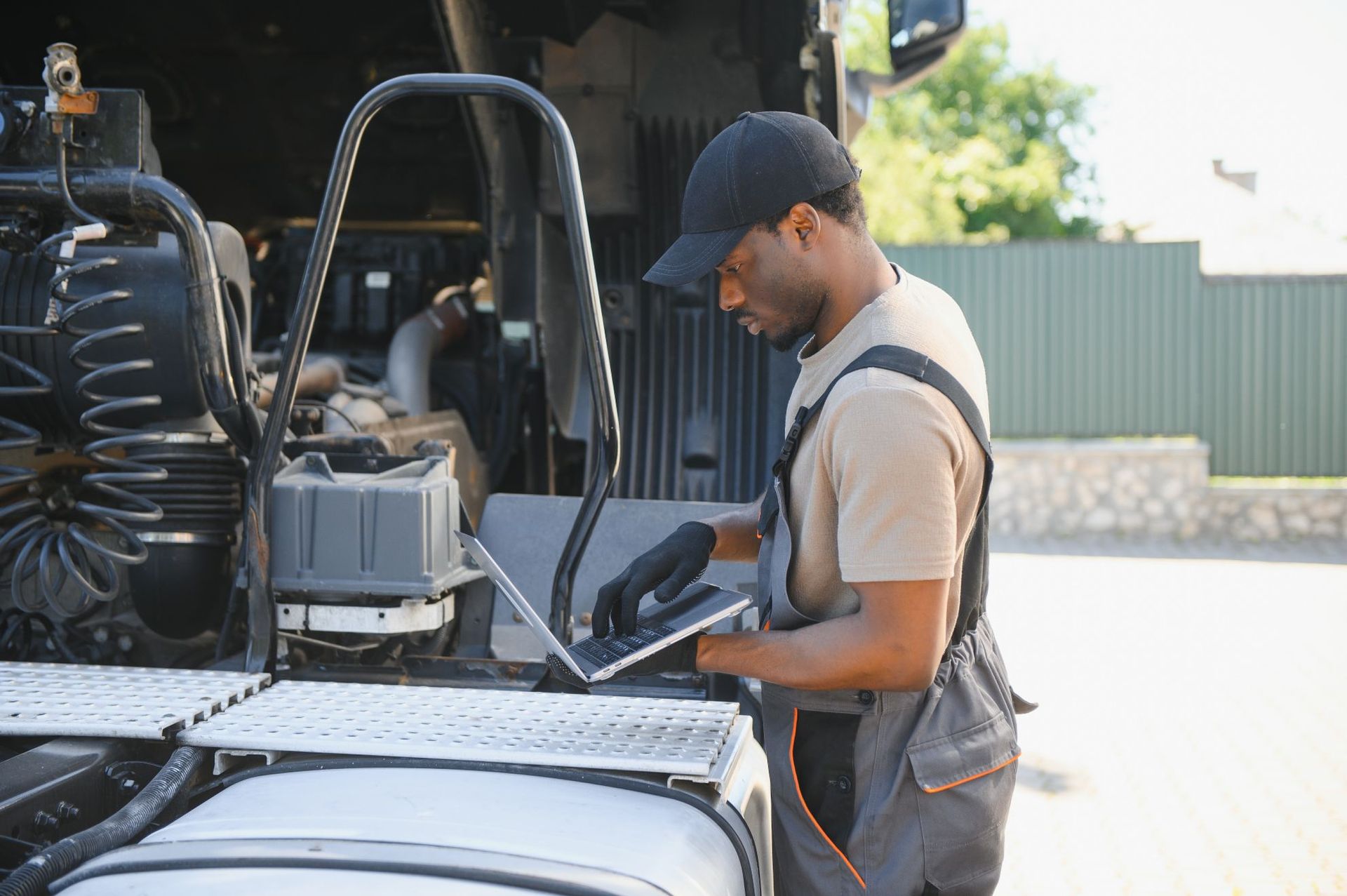
Dealer-level troubleshooting identifies engine problems by analyzing fault codes, live sensor data, and mechanical symptoms rather than guessing at causes. NoCo Diesel Services LLC provides engine diagnostics and complete mechanical repairs in Fort Collins, addressing cooling systems, pumps, exhaust manifolds, fuel systems, and mechanical components that affect engine performance. The process involves testing each system to locate the specific failure, then repairing or replacing only the components necessary to restore function, which minimizes both downtime and repair costs for fleet operators and owner-operators.
Engine diagnostics cover fault code analysis, cylinder balance testing, fuel system pressure measurement, and cooling system pressure testing. Mechanical repairs include water pump replacement, thermostat housing repairs, exhaust manifold crack welding, fuel filter replacement, and component rebuilds. Both roadside and scheduled repairs are available, allowing you to address breakdowns immediately or plan maintenance during operational downtime.
Arrange an engine diagnostic appointment when warning lights appear, performance declines, or mechanical symptoms suggest developing problems.
Why Accurate Diagnostics Matter for Mechanical Repairs
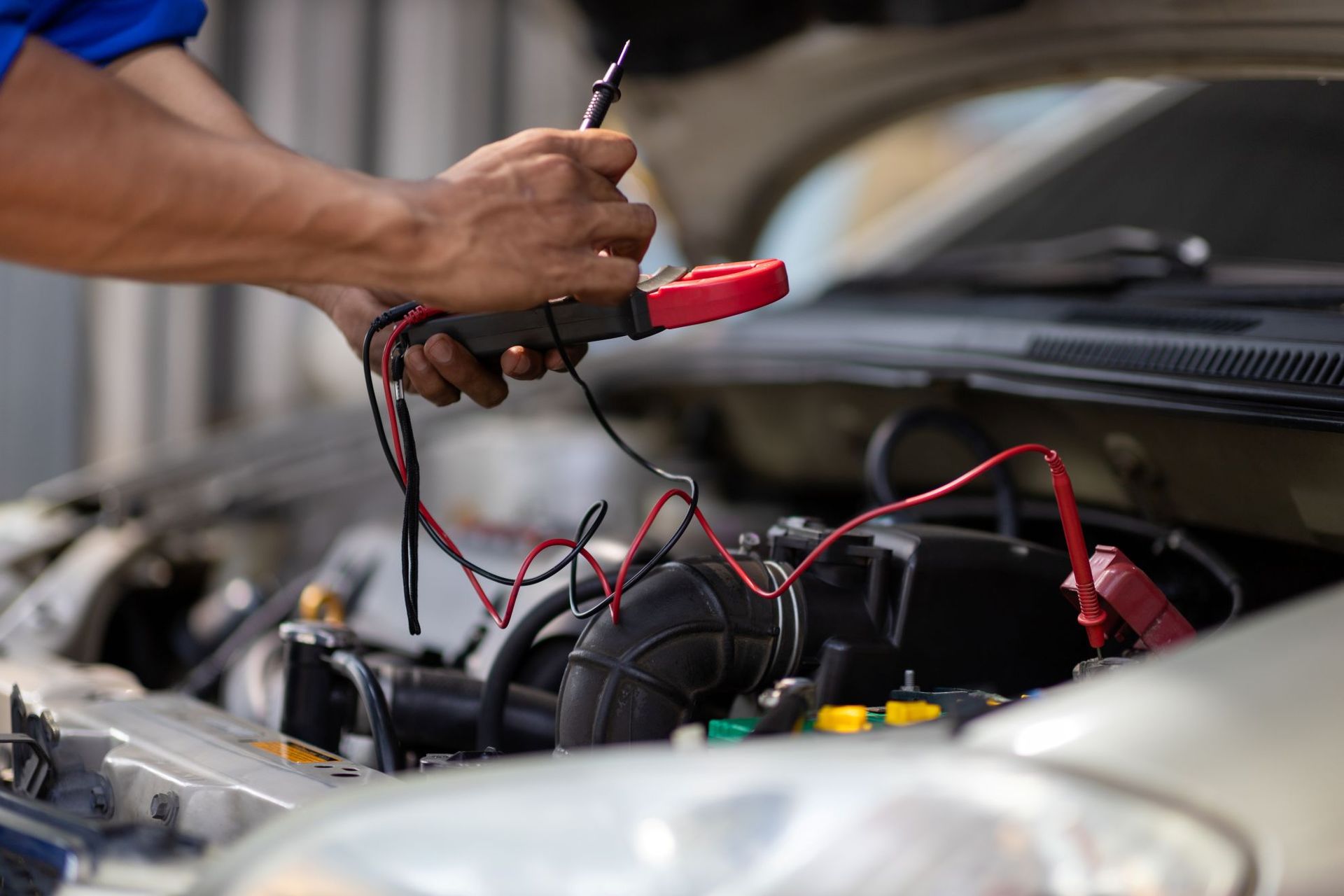
Accurate diagnostics prevent unnecessary part replacement by isolating the exact component causing symptoms. Testing measures fuel pressure at the rail, coolant flow through the engine, exhaust backpressure, and sensor inputs to control modules. Mechanical repairs then address confirmed failures: cracked exhaust manifolds that leak gases, water pumps with failed seals, fuel systems with contaminated filters, or cooling systems that cannot maintain temperature under load.
After mechanical repairs are finished, your engine maintains operating temperature in all conditions, delivers consistent power under load, and passes emissions standards without fault codes returning. You no longer experience overheating on grades, loss of power during acceleration, or coolant loss that requires frequent top-offs. Equipment returns to service with documented repairs and testing that confirms the original problem has been resolved.
Repairs include component replacement when wear exceeds service limits and rebuilds when cores remain usable. Cooling system service addresses radiator flow restrictions, fan clutch operation, and thermostat function to prevent overheating. Fuel system repairs replace filters contaminated by algae growth or water intrusion and address injection components when pressure delivery falls outside specifications.
Questions Before Starting Your Project
Engine diagnostics and mechanical repair require specific testing to separate symptoms from root causes. These answers explain the diagnostic process and what different repairs accomplish.
What does engine diagnostic testing involve before repairs begin?
Testing includes scanning for active and stored fault codes, measuring sensor outputs, performing cylinder contribution tests, and checking mechanical systems like fuel pressure and cooling system integrity. This data identifies whether problems originate in electronic controls, fuel delivery, mechanical wear, or external systems.
How do you determine whether an exhaust manifold requires replacement or welding?
Manifolds are evaluated based on crack location, material thickness, and heat damage. Cracks in low-stress areas away from mounting flanges can often be welded, while manifolds with multiple cracks or thin material from corrosion require replacement.
When does a cooling system need more than a water pump replacement?
Cooling problems extend beyond the pump when radiator cores are restricted, thermostats stick closed, fan clutches fail to engage, or air locks prevent circulation. Diagnostics include pressure testing the system, measuring flow rates, and checking temperature differentials to identify all contributing factors.
What causes fuel system problems that lead to power loss?
Power loss occurs when fuel filters clog with contaminants, fuel pumps lose pressure output, injectors develop spray pattern problems, or air enters the fuel system through damaged lines. Fort Collins altitude affects fuel delivery calibration, and systems must maintain precise pressure to deliver proper combustion.
How does mobile engine repair differ from shop-based service?
Mobile repair brings diagnostic tools and common replacement parts to your location, allowing technicians to test systems and complete repairs without transporting the vehicle. Complex rebuilds or machining work may still require shop facilities, but many mechanical repairs are completed on-site.
NoCo Diesel Services LLC uses manufacturer-level diagnostic equipment to identify engine problems accurately, reducing the trial-and-error approach that extends downtime and increases costs. Contact us when engine performance changes or mechanical symptoms suggest internal problems requiring professional diagnosis.