Emissions Systems That Pass Compliance Standards
Turbo and Aftertreatment Repair in Fort Collins for Diesel Engines With Emissions System Faults
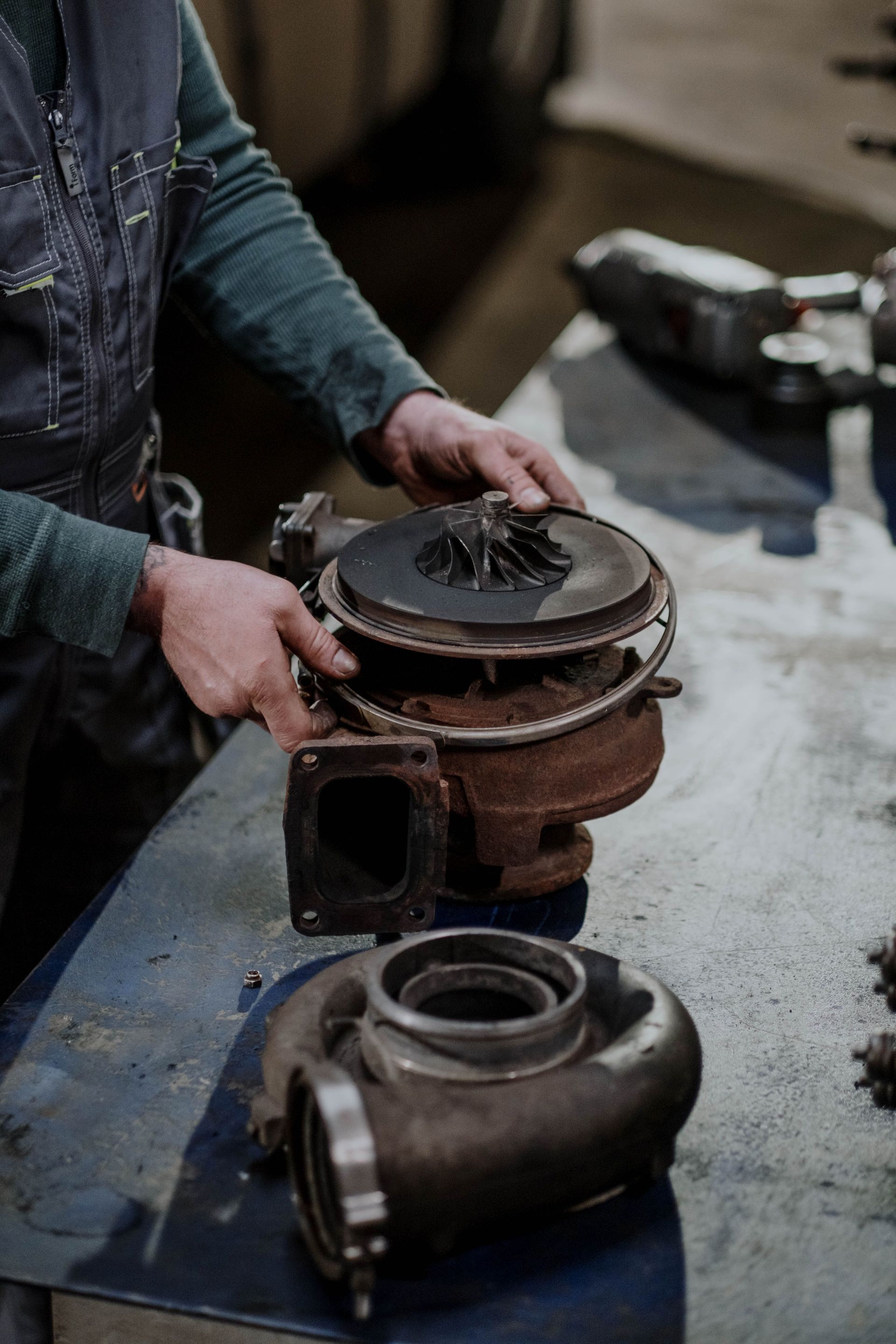
Turbocharger failures and aftertreatment faults reduce engine power, trigger warning lights, and prevent vehicles from passing emissions inspections. Turbochargers fail when bearings wear, compressor wheels damage, or wastegates stick, while aftertreatment systems develop problems when DPF filters load with soot, DEF delivery fails, or sensors provide inaccurate readings to control modules. NoCo Diesel Services LLC performs turbocharger diagnostics and replacement along with complete aftertreatment system repairs in Fort Collins, including DPF, DOC, SCR, and DEF system troubleshooting. Advanced diagnostic capabilities access manufacturer-specific data to identify root causes rather than replacing components based on fault codes alone.
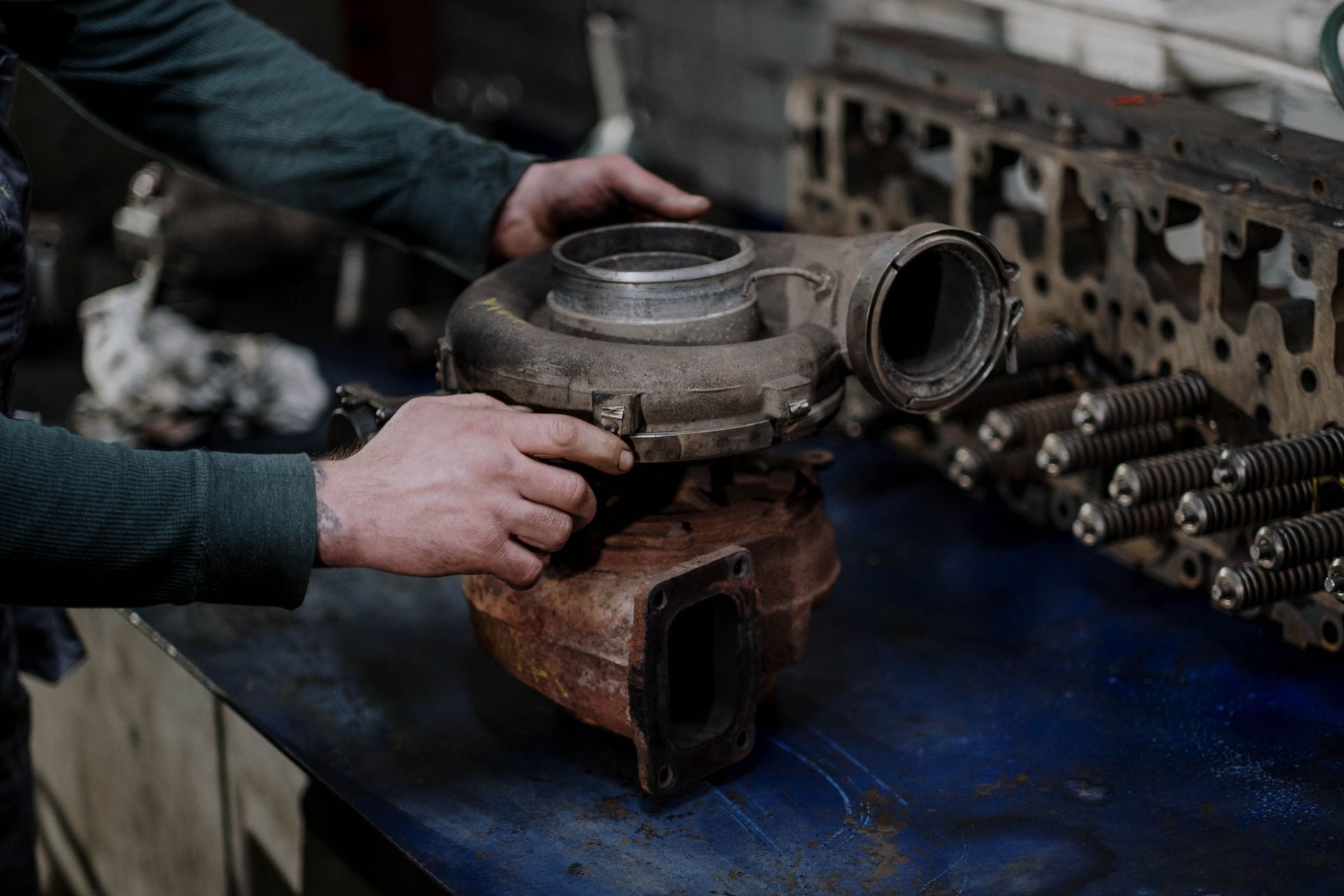
Turbo repairs involve testing boost pressure, inspecting compressor and turbine wheels for damage, and replacing units when bearing wear or wheel damage exceeds rebuilding limits. Aftertreatment service includes forced regenerations to clear DPF loading, DEF system testing, NOx sensor replacement, and SCR catalyst evaluation. Diagnostics measure backpressure across filters, verify DEF injection rates, and test reductant quality to isolate specific failures within the emissions system.
Schedule emissions repair when warning lights indicate aftertreatment faults or when power loss suggests turbocharger problems.
What Proper Emissions Repair Requires
Emissions troubleshooting requires measuring actual system performance rather than relying solely on fault codes, since multiple faults can stem from a single root cause. Testing includes differential pressure measurements across DPF filters, NOx sensor output verification, DEF concentration testing, and boost pressure measurement under load. Turbocharger replacement addresses failures that cannot be repaired, while aftertreatment component replacement focuses on sensors, injectors, and heating elements that restore system function without replacing entire catalyst assemblies unnecessarily.
Once repairs are completed, your engine delivers full power without derating, regeneration cycles complete automatically, and emissions fault codes no longer reappear after clearing. DEF consumption matches expected rates, exhaust backpressure stays within normal ranges, and the vehicle passes emissions testing without requiring forced regenerations immediately before inspection. Turbocharger boost builds smoothly under acceleration, eliminating the lag or smoke that indicates component damage.
Forced regenerations clear DPF soot loading when passive regeneration cannot complete due to duty cycle limitations, but repeated forced regenerations indicate underlying problems like failed sensors, exhaust leaks, or fuel system issues that prevent normal aftertreatment operation. Repairs address these root causes to restore automatic regeneration function. DEF system repairs replace contaminated fluid, clean blocked injectors, and verify that heaters maintain proper reductant temperature in cold conditions.
What Property Owners Usually Ask
Turbocharger and aftertreatment systems involve complex interactions between mechanical components and electronic controls. These questions address common concerns about diagnosis and repair.
What symptoms indicate turbocharger failure versus other power loss causes?
Turbo failures typically produce excessive exhaust smoke, whistling or grinding noises, and gradual power loss under acceleration. Other causes like fuel system problems or air intake restrictions create different symptom patterns, which diagnostics separate by measuring boost pressure and inspecting turbo components for physical damage.
How do forced regenerations differ from normal DPF regeneration?
Forced regenerations are manually initiated by technicians using diagnostic software, elevating exhaust temperatures to burn accumulated soot. Normal regenerations occur automatically during highway driving when conditions allow, but vehicles operating at low speeds or idling extensively cannot generate sufficient heat for passive regeneration.
When should DPF filters be replaced rather than cleaned?
Filters require replacement when ash loading reaches capacity, when substrate cracks develop, or when repeated cleaning fails to restore acceptable backpressure readings. Ash accumulation is permanent and gradually reduces filter capacity over the engine's service life, eventually requiring replacement regardless of maintenance quality.
What causes DEF system failures in cold weather?
DEF freezes at 12 degrees Fahrenheit, and heating elements must thaw the solution before injection can occur. Failures happen when heaters malfunction, when contaminated DEF crystalizes, or when temperature sensors provide incorrect readings that prevent the heating cycle. Fort Collins winter temperatures require fully functional DEF heating systems to maintain emissions compliance.
How does aftertreatment repair improve performance beyond emissions compliance?
Proper aftertreatment function prevents exhaust backpressure buildup that restricts engine breathing, maintains fuel efficiency by avoiding unnecessary regeneration attempts, and eliminates power derating that occurs when faults exceed control module thresholds. Repairs restore both emissions compliance and operational efficiency.
NoCo Diesel Services LLC addresses both turbocharger mechanical failures and aftertreatment electronic faults, using diagnostic equipment that accesses manufacturer data to identify specific component failures. Reach out at (720) 656-8416 to schedule diagnostics when emissions warnings appear or performance declines suggest system problems.