Engines Rebuilt to Factory Tolerances
In-Frame Engine Overhauls in Fort Collins for diesel trucks showing compression loss, excessive oil consumption, or power degradation under load
Cylinder liner wear creates the clearance that allows combustion pressure to bypass piston rings, valve seat erosion reduces sealing between combustion chambers and ports, and bearing clearances grow beyond specifications as journal surfaces develop the scoring patterns high-mileage diesel engines exhibit. These conditions manifest as blue smoke from exhaust stacks indicating oil burning, hard starting from reduced compression, or power loss during grade climbs when cylinder pressure cannot develop the force needed to maintain speed under load. NoCo Diesel Services LLC performs in-frame overhauls that replace internal engine components without removing the engine block from the vehicle, addressing wear while minimizing downtime compared to complete engine removal and rebuild processes.
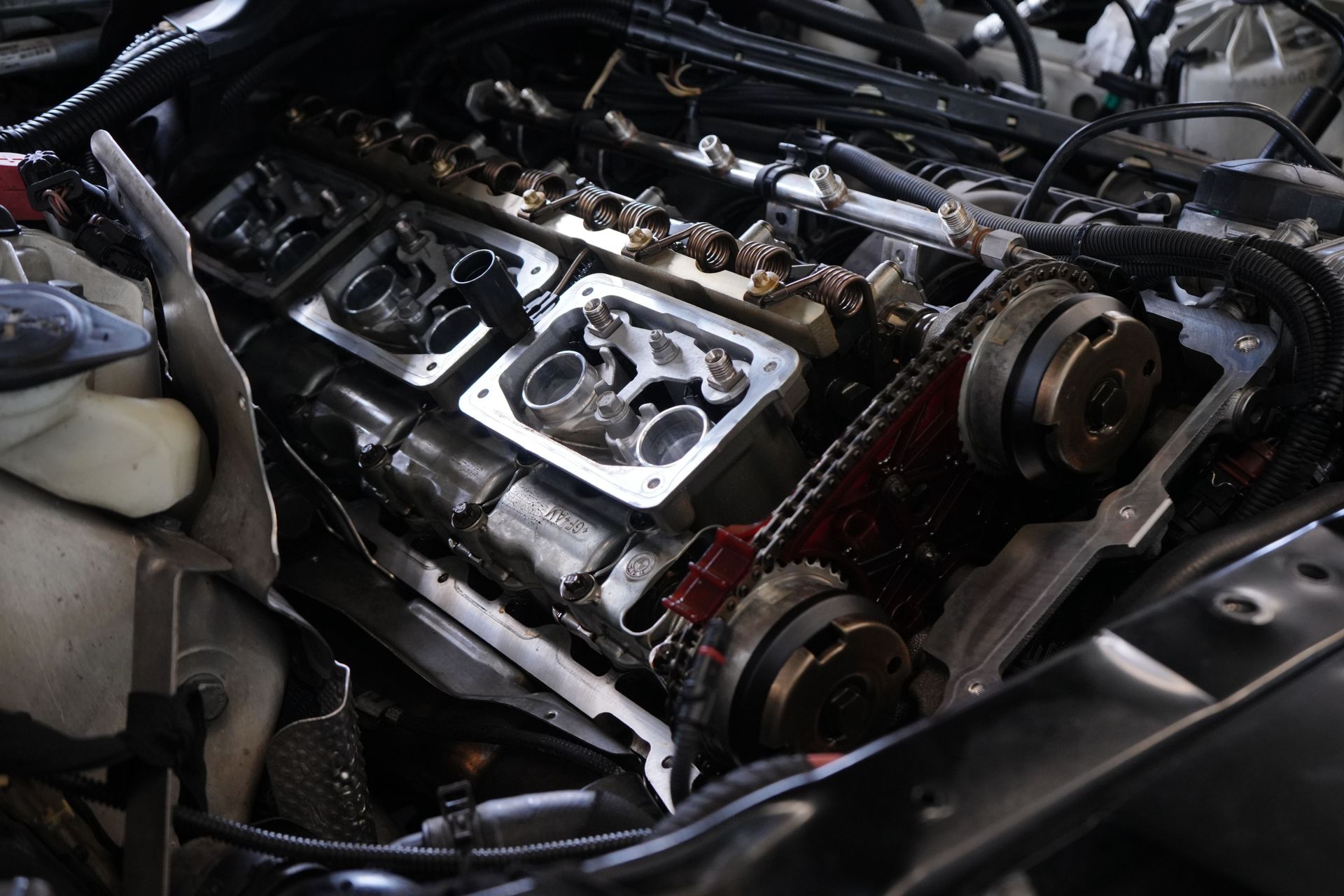
The work involves removing cylinder heads to access valve train components and piston assemblies, pulling pistons through cylinder bores after removing connecting rods, and installing new liners that restore proper piston-to-cylinder wall clearances. Bearing replacement addresses crankshaft and connecting rod journals, valve jobs restore proper sealing at intake and exhaust ports, and cylinder head machining corrects warpage or surface irregularities that prevent gasket sealing.
Request engine evaluation when oil consumption increases measurably, when compression testing reveals cylinder pressure below manufacturer specifications, or when power output declines noticeably.
What In-Frame Overhauls Restore
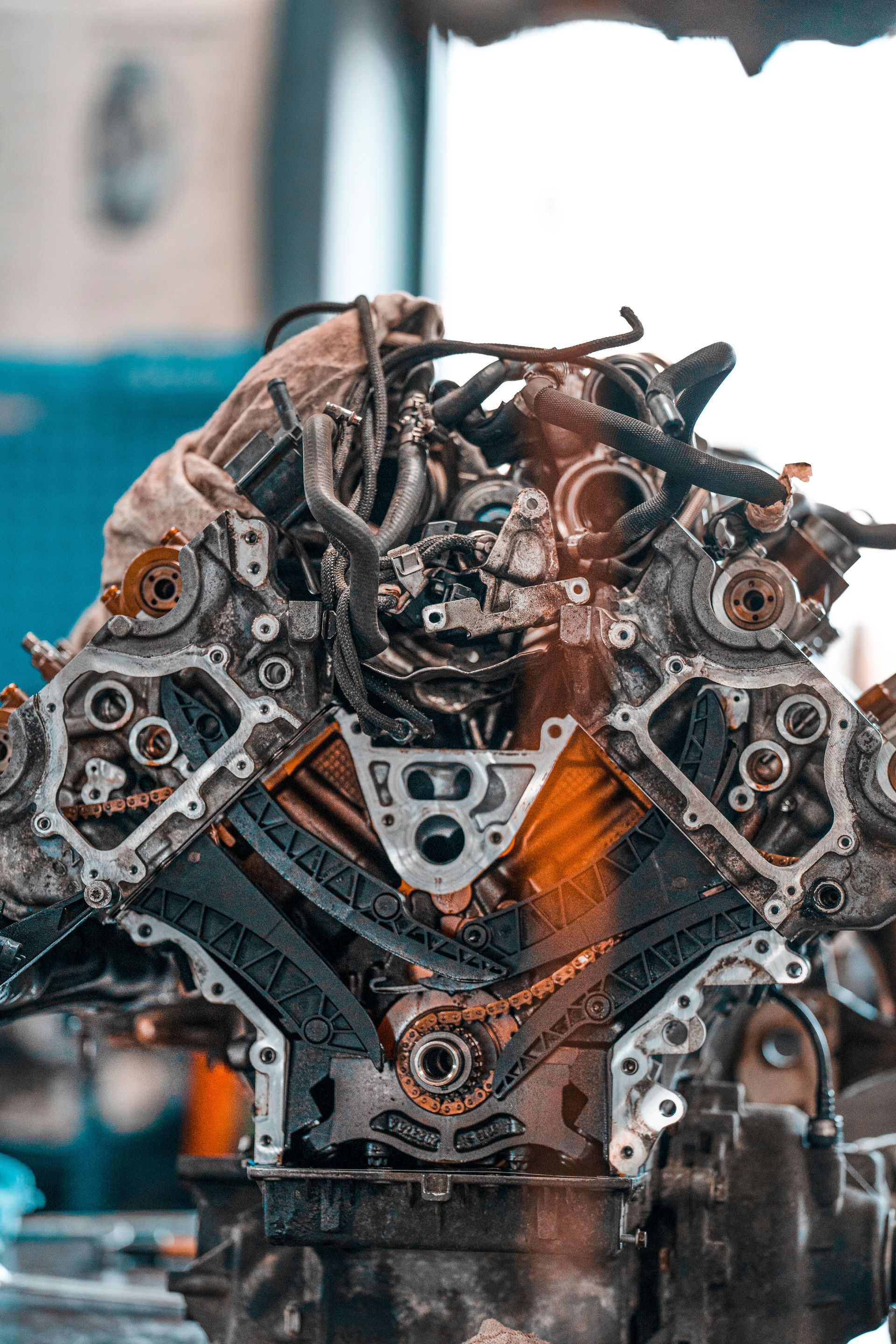
In-frame rebuilds require precision measurement of cylinder bore dimensions to confirm liner fit, checking crankshaft journal surfaces for the taper or out-of-round conditions that cause premature bearing failure, and inspecting cylinder heads for cracks using magnetic particle or dye penetrant methods that reveal stress fractures invisible during visual examination. Advanced diagnostics before disassembly include compression testing across all cylinders to identify specific wear patterns, oil analysis to detect bearing material or coolant contamination, and leak-down testing to distinguish between ring wear, valve problems, and head gasket failures.
Following in-frame overhauls, operators notice engines that produce rated horsepower without the performance loss worn cylinders create, oil consumption that drops to normal levels as new rings seal properly against fresh liner surfaces, and compression readings that match across all cylinders rather than showing the variation worn components produce. The work eliminates the blow-by pressure that forces crankcase vapors through road draft tubes, stops the coolant loss that occurs when liner seals fail, and restores the fuel efficiency combustion pressure directly affects through improved thermal efficiency.
Post-repair diagnostics verify the rebuild by measuring compression after break-in, confirming oil pressure meets specifications at operating temperature, and checking for combustion gas entry into cooling systems that would indicate sealing problems. Experienced service addresses the component interactions that affect reliability, including valve train geometry that impacts lobe contact patterns, piston-to-head clearance that prevents interference, and bearing crush that ensures proper oil film retention under operating loads.
Engine Overhaul Questions Answered
Fleet managers operating heavy-duty equipment across Fort Collins and interstate corridors often need detailed information about in-frame overhauls before committing vehicles to major engine work.
What determines whether engines need in-frame overhauls versus replacement?
Engines warrant in-frame overhauls when cylinder wear, bearing clearances, and valve train degradation exceed specifications but crankshafts remain within regrind limits, cylinder blocks show no cracks, and overall engine architecture justifies investment compared to replacement costs and expected remaining service life.
How does liner installation affect engine longevity?
Proper liner installation requires precise bore preparation, correct protrusion above block deck surfaces, and proper crush fit in block bores to prevent movement and maintain coolant sealing, with installation errors causing premature failures through cavitation, coolant leaks, or ring sealing problems.
Why do cylinder heads require machining during overhauls?
Cylinder heads develop warpage from repeated thermal cycling, with high spots preventing gasket compression and low spots reducing clamp load, requiring surface grinding to restore flatness within tolerances that ensure even gasket loading and prevent combustion gas leakage at head-to-block interfaces.
What causes bearing failures after in-frame rebuilds?
Post-rebuild bearing failures typically result from insufficient crankshaft cleaning that leaves abrasive particles in oil passages, from improper torque sequence during assembly that creates uneven main bearing cap alignment, or from contaminated lubricant introduced during initial startup before filtration systems remove assembly residue.
When should fleets schedule in-frame overhauls based on mileage?
Overhaul timing depends on oil consumption trends, compression test results, and operating conditions rather than fixed mileage intervals, with engines in severe service showing wear indicators earlier than highway applications, though many commercial diesels reach 300,000 to 500,000 miles before requiring major internal work.
NoCo Diesel Services LLC performs in-frame diesel engine overhauls for commercial trucks and equipment operating across northern Colorado, with diagnostic capabilities that determine rebuild scope before disassembly begins. Schedule an engine performance evaluation when compression loss, oil consumption, or power degradation indicate internal wear has progressed beyond normal operating parameters.