Tires That Keep Freight Moving
Tire and Wheel Services in Fort Collins for commercial trucks dealing with blowouts, tread separation, or wheel seal failures
Tire sidewalls develop cuts from curb contact and road debris, tread depth falls below legal minimums during normal wear cycles, and valve stems crack under UV exposure and temperature extremes that commercial vehicles encounter across Colorado's climate zones. The condition shows up as slow pressure loss that drivers notice during pre-trip inspections, as vibration from separated tread belts that becomes pronounced at highway speeds, or as complete air loss from punctures that disable trucks between service stops.
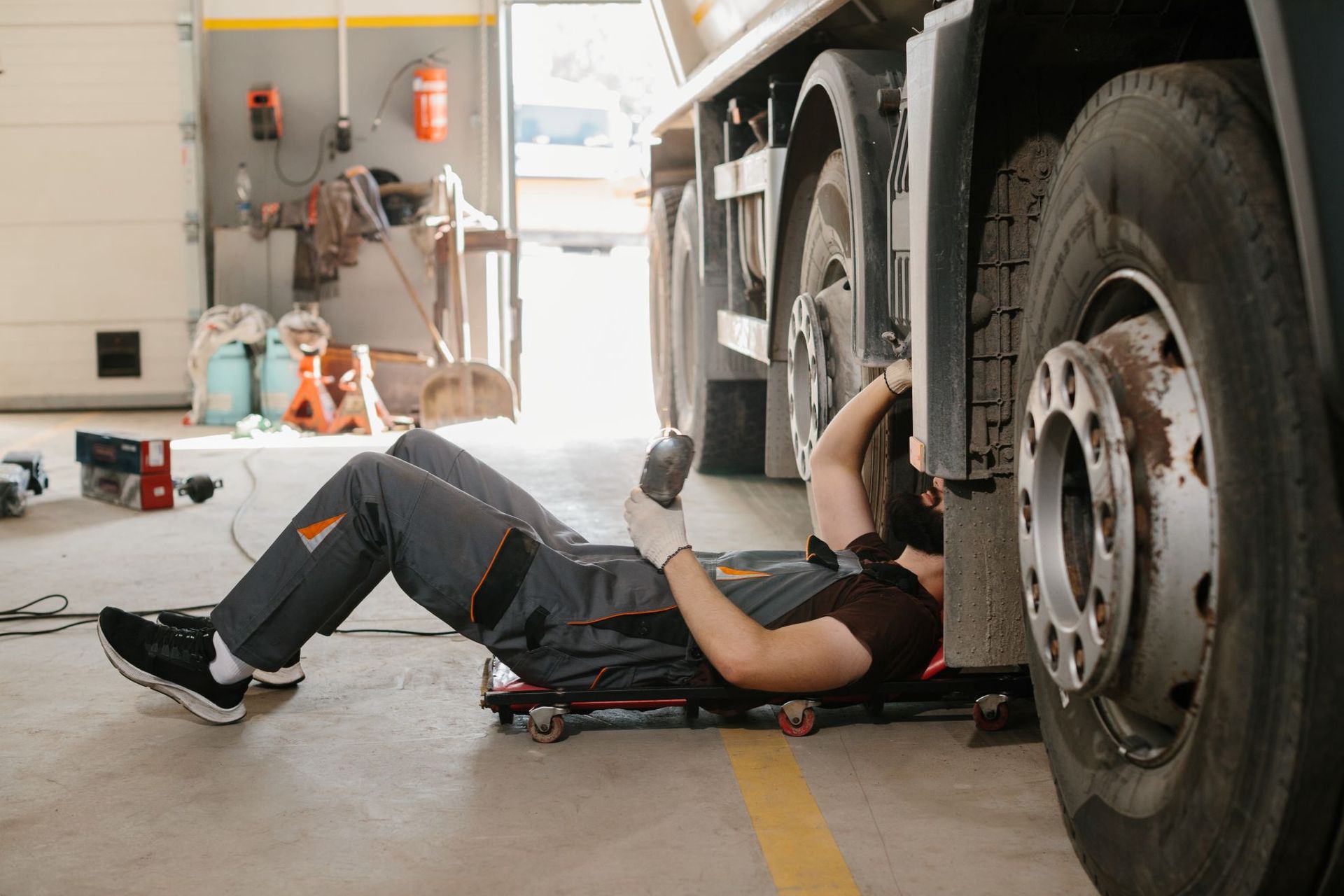
NoCo Diesel Services LLC provides tire replacement and wheel inspection for trucks and trailers when tread wear reaches replacement thresholds, when sidewall damage compromises structural integrity, or when emergency failures require roadside service to restore mobility. The work involves mounting commercial tires to wheel assemblies, torquing lug nuts to axle-specific values that prevent loosening under load, and inflating tires to pressures the vehicle manufacturer specifies for gross weight ratings.
Request tire service when tread depth approaches minimum standards or when irregular wear patterns indicate alignment or suspension issues affecting tire longevity.
What Changes After Tire Replacement
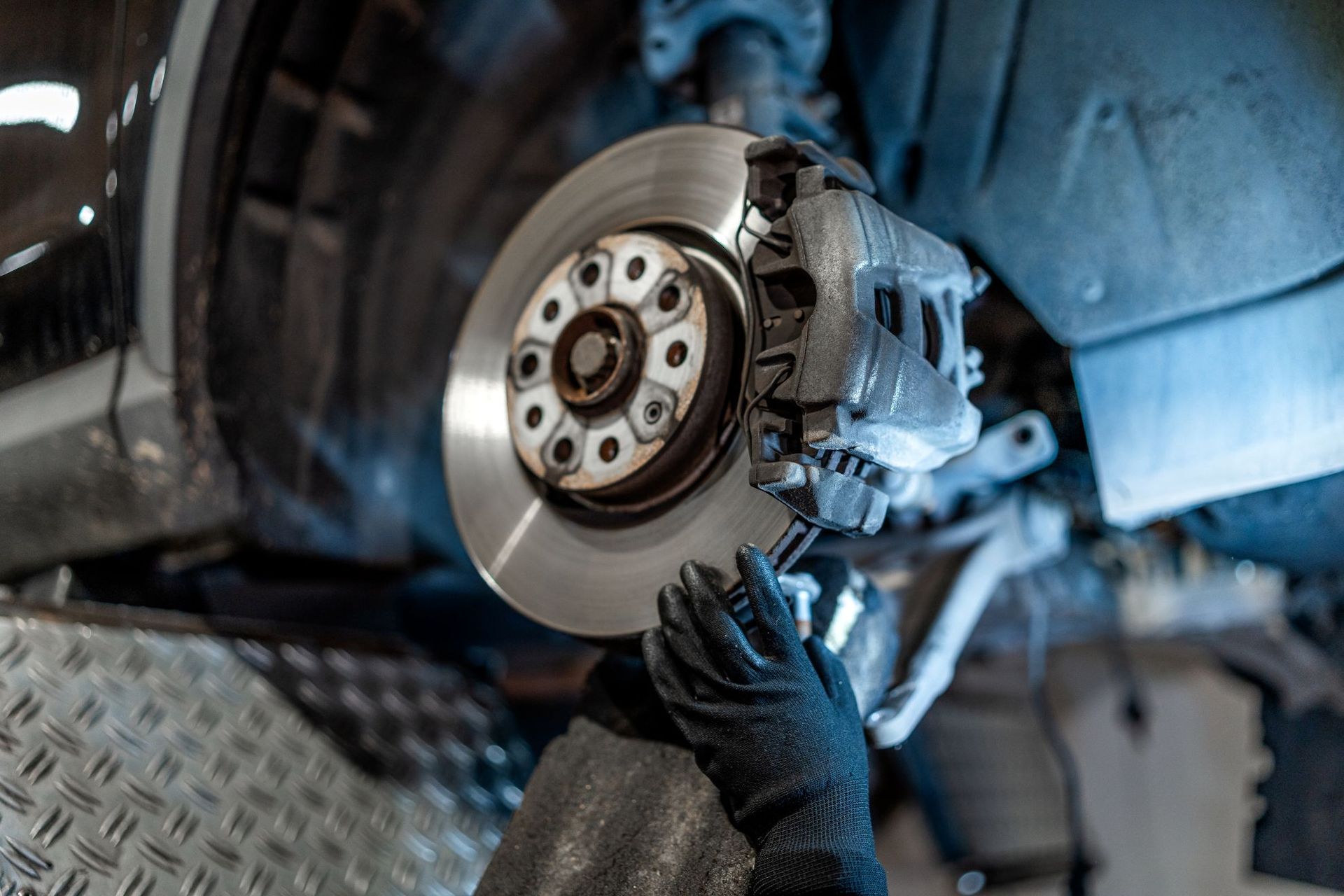
Tire service requires inspecting wheel assemblies for hub damage, checking brake drum surfaces for scoring that indicates bearing problems, and examining valve stems for the corrosion or cracking that causes slow leaks fleet managers track as recurring low-pressure conditions. Wheel inspections reveal whether lug nut seats show elongation from improper torque, whether rim flanges retain the round profile needed for proper bead seating, and whether stud threads have sufficient engagement length for secure fastening under braking and cornering loads.
Following tire replacement, operators notice elimination of the vibration degraded tires create, steering response that feels direct rather than vague from worn or separated tread blocks, and fuel economy improvements as rolling resistance drops with properly inflated tires featuring full tread depth. The work stops the air pressure loss that requires frequent inflation, removes the heat buildup underinflated or damaged tires generate, and restores the traction commercial vehicles need for loaded stops on grade descents.
Roadside tire service delivers replacement tires to breakdown locations, providing installation without requiring disabled vehicles to reach service bays, which minimizes delays when blowouts or tread separation occur during hauls. Fleet tire maintenance includes coordinated inspections across multiple units, tracking tread wear patterns that indicate alignment needs or load distribution issues affecting tire life.
Answers to Tire Service Questions
Commercial operators managing tire expenses and downtime in Fort Collins and along Front Range corridors benefit from understanding tire service before failures affect delivery schedules.
What causes commercial truck tires to fail prematurely?
Premature tire failures result from underinflation that creates excessive sidewall flexing and heat buildup, from overloading beyond rated capacity, from alignment errors that produce uneven tread wear, or from road hazard damage that penetrates casings and allows air loss.
How does tire pressure affect commercial vehicle operation?
Tire pressure determines load-carrying capacity, rolling resistance, and heat generation, with underinflated tires building excessive heat that degrades rubber compounds and causes structural failure, while overinflation reduces contact patch size and creates harsh ride quality that accelerates suspension wear.
Why do steer tires wear differently than drive tires?
Steer tires experience lateral forces during cornering and alignment-induced scrubbing that creates shoulder wear, while drive tires endure torque application that produces center wear, and trailer tires typically show even wear unless alignment or bearing issues create irregular patterns.
What indicates a tire needs replacement beyond tread depth?
Tires require replacement when sidewalls show cracking that extends into cord layers, when tread separates from casings, when bulges indicate internal structural failure, or when puncture repairs exceed the quantity or location limits tire manufacturers specify for safe continued service.
When should wheel assemblies receive inspection during tire service?
Wheel assemblies warrant inspection during every tire replacement to identify rim cracks, corrosion that affects bead seating, elongated lug holes from loose fasteners, or hub damage that compromises mounting surface integrity and creates installation problems with new tires.
NoCo Diesel Services LLC delivers mobile tire replacement and wheel inspection for commercial vehicles across northern Colorado, with fast response capabilities that minimize downtime when tire failures occur on routes. Schedule tire evaluation to address tread wear or damage before complete failures require emergency roadside service.