Bearings and Seals Built for Heavy Loads
Wheel End Repair in Fort Collins for trucks experiencing bearing noise, seal leaks, or uneven brake wear
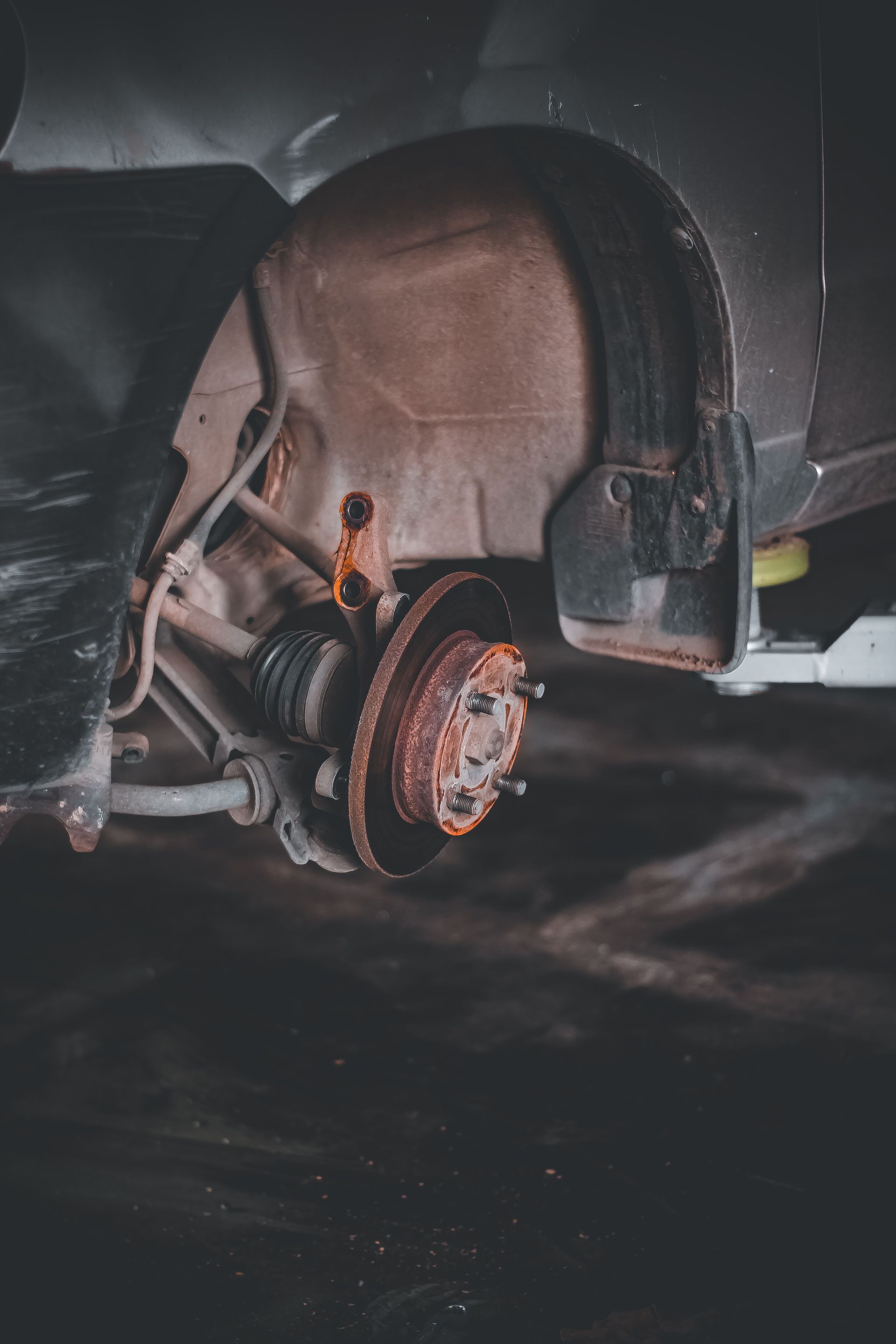
NoCo Diesel Services LLC rebuilds wheel ends on commercial trucks and trailers when bearing assemblies degrade, seals leak grease onto brake components, or hubs show irregular wear patterns. Wheel-end failures often announce themselves through grinding sounds during turns, visible grease streaks on wheels, or brake performance changes that drivers notice during routine hauls. The work involves disassembling the hub, inspecting races and bearing surfaces for pitting or spalling, replacing compromised seals, and torquing components to manufacturer specifications that account for axle weight ratings and load distribution.
Bearing failures typically result from seal deterioration that allows road contaminants into the bearing race or from improper torque settings during previous service, both of which accelerate metal fatigue under the cyclic loading commercial vehicles experience. When grease escapes past damaged seals, it migrates onto brake drums or rotors, reducing friction material effectiveness and creating the brake contamination pattern fleet managers recognize as uneven stopping response across axles.
Schedule a wheel-end inspection to evaluate bearing condition and seal integrity before minor leaks progress to complete assembly failure.
What Proper Wheel End Service Prevents
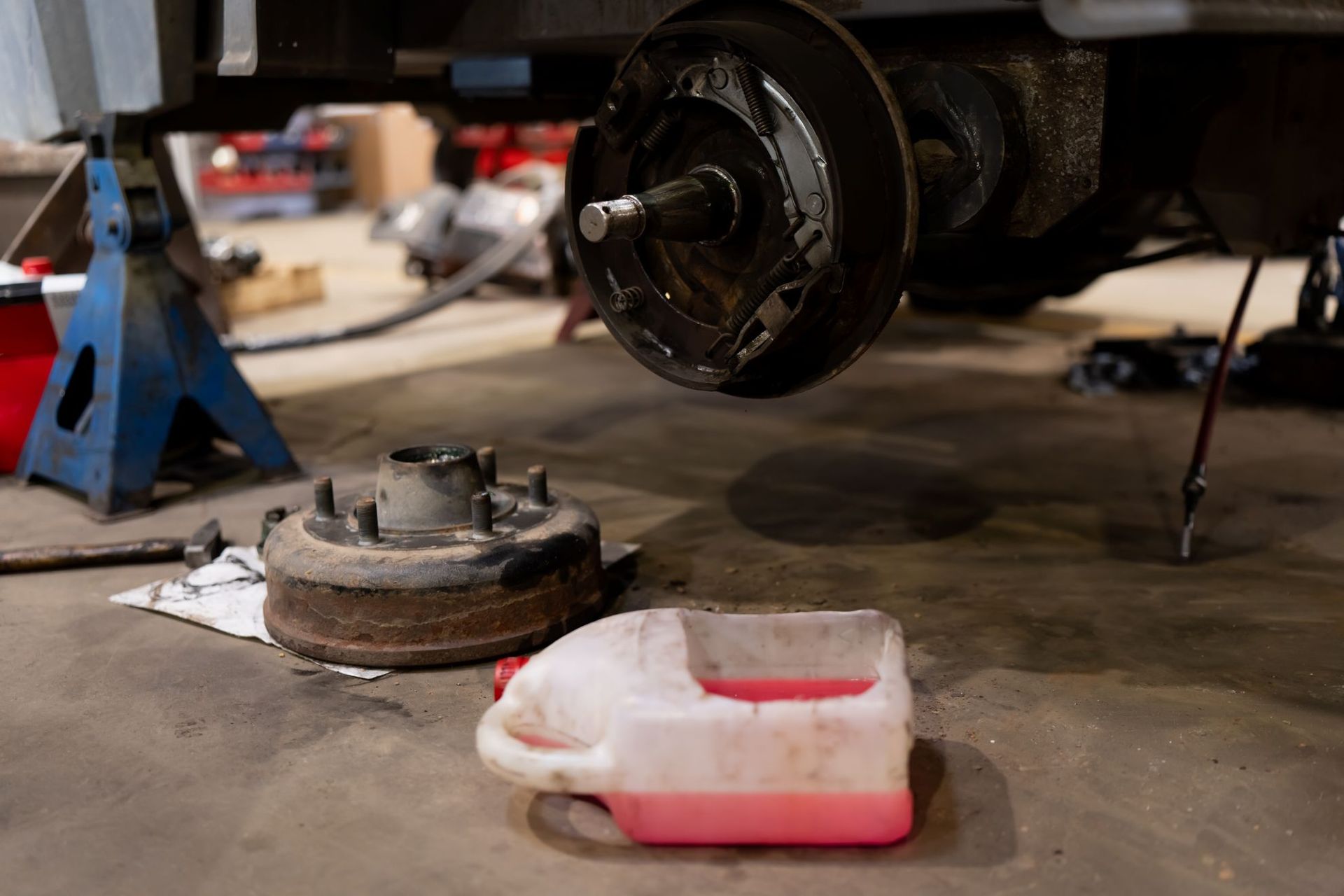
Wheel-end work requires measuring bearing preload with dial indicators, examining seal contact surfaces for scoring that prevents proper sealing, and confirming hub runout stays within tolerances that prevent uneven brake pad contact. The process reveals whether bearing cups have spun in the hub bore, whether races show the heat discoloration that indicates lubrication starvation, and whether spindle threads retain the integrity needed for secure locknut installation.
After wheel-end rebuilds, drivers notice wheels that rotate without the roughness or resistance degraded bearings create, brakes that apply evenly without the pull caused by contaminated friction surfaces, and hubs that remain cool during operation rather than exhibiting the excessive heat failed bearings generate. The work eliminates the grease spray pattern that marks pavement under parked trailers and stops the bearing noise that escalates from a faint hum during highway speeds to a pronounced growl under load.
Roadside wheel-end repairs address failures that occur between scheduled maintenance intervals, providing bearing replacement and seal installation at breakdown locations to return trucks to service without tow delays. Fleet maintenance support includes coordinated wheel-end inspections across multiple units, tracking bearing life by mileage and load history to schedule replacements before failures disrupt delivery schedules.
Questions Fleet Operators Ask About Wheel End Work
Commercial operators managing trucks in Fort Collins and surrounding corridors often want clarity on wheel-end service before authorizing
repairs that affect vehicle availability.
What indicates a wheel bearing needs replacement rather than adjustment?
Bearings showing pitting on races, discoloration from heat exposure, or measurable play that adjustment cannot eliminate require replacement, while bearings with smooth races and proper preload after torque correction can continue service.
How does seal failure lead to brake contamination?
Wheel seals contain lubricant within the hub assembly, and when seal lips wear or contact surfaces score, grease escapes onto brake components, coating drums or rotors with a film that reduces friction material grip and creates uneven braking force across the axle.
What causes bearings to fail between maintenance intervals?
Bearing failures between services typically result from seal damage that allows water and road debris into the bearing race, from impact damage to hubs during curb strikes or pothole encounters, or from initial installation errors that create improper preload and accelerate wear.
Why do wheel-end repairs sometimes require hub replacement?
Hubs showing bearing race spin, cracks in mounting flanges, or thread damage on spindle bores cannot reliably secure new bearing assemblies, and attempting to install new components into compromised hubs leads to repeat failures within short mileage intervals.
When should trailer wheel ends receive inspection?
Trailer wheel ends warrant inspection whenever tow vehicles require brake work, when drivers report pulling or uneven tire wear, when grease appears on wheel surfaces, or at mileage intervals the bearing manufacturer specifies based on duty cycle and load weight.
NoCo Diesel Services LLC provides wheel-end service for commercial vehicles operating across northern Colorado and mountain corridors, with mobile capabilities that bring bearing replacement and seal installation to breakdown locations. Request wheel-end diagnostics to identify seal leaks and bearing wear before failures create brake contamination or require hub replacement.